
June 2026

Future of AI in Wearable Translation Devices

Communication continues to evolve as technology becomes more intelligent and accessible. Wearable translation devices are emerging as powerful tools that help people understand different languages with greater ease. As artificial intelligence advances, these compact devices are expected to deliver faster, smarter and more natural translation experiences. The future of AI in wearable translation devices promises a world where conversations flow smoothly across language barriers.

Smarter Real-Time Translation

Future wearable translation devices will offer highly accurate real-time language conversion. Advanced AI systems will process speech instantly, allowing users to communicate naturally without significant delays.

Expected Improvements

  • Faster speech recognition and processing
  • More accurate understanding of accents
  • Better handling of regional expressions
  • Reduced translation errors
  • Natural conversational flow
  • Improved pronunciation guidance

These enhancements will help users interact confidently in personal, educational, and professional settings.

Enhanced Context Understanding
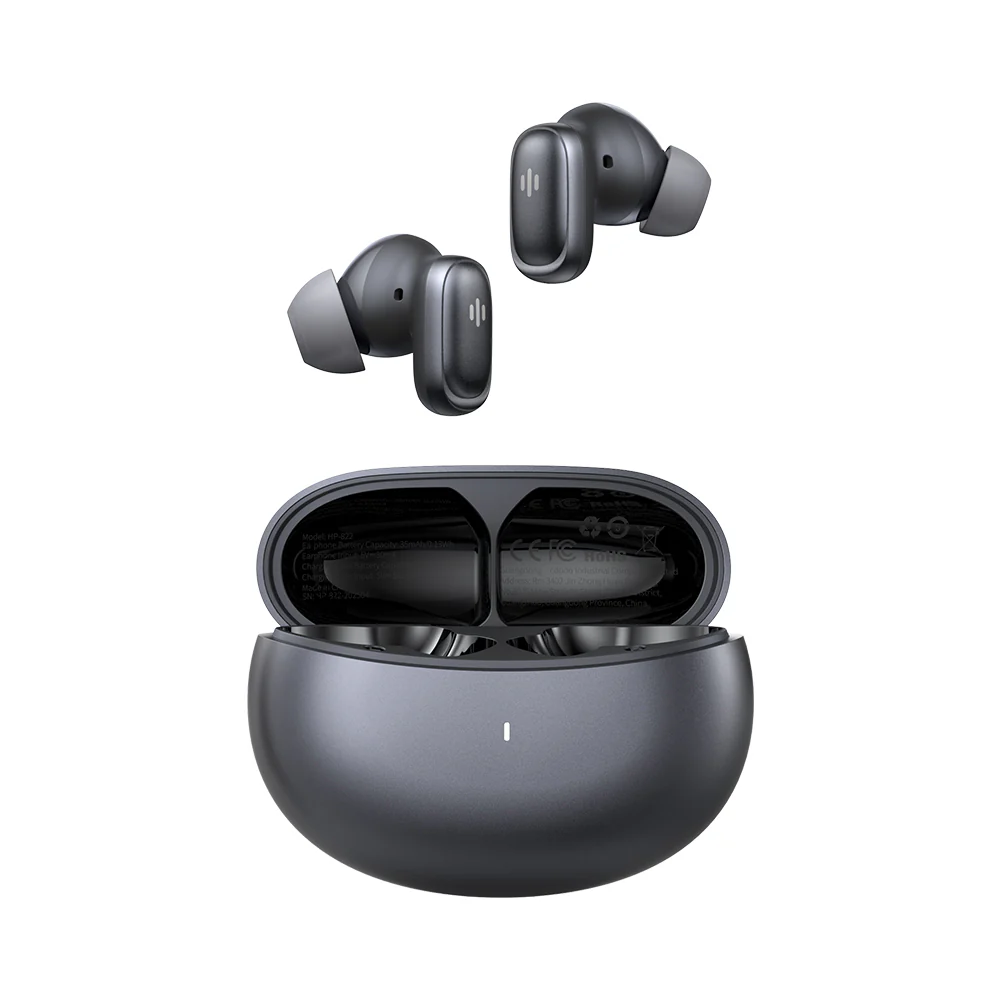
Translator Ear Buds

One of the most exciting developments is AI’s growing ability to understand context. Future devices will not only translate words but also interpret meaning based on the conversation.

Key Benefits

  • Recognition of conversational intent
  • Better understanding of idioms and phrases
  • Accurate interpretation of emotions
  • Improved handling of technical vocabulary
  • Context-aware sentence construction

This deeper understanding will make translations sound more natural and human-like.

Personalized Language Experiences

AI-powered wearable devices will become increasingly personalized. By learning from user preferences and communication habits, they can provide more relevant and customized translations.

Personalization Features

  • Adaptation to speaking style
  • Customized vocabulary suggestions
  • Learning of frequently used phrases
  • Improved recognition of individual speech patterns
  • Enhanced communication efficiency over time

Personalized experiences will make interactions smoother and more comfortable for users.

Seamless Multilingual Conversations

Future devices are expected to support a best translation earbuds 2026 wider range of languages and dialects. This will enable effortless communication among people from diverse linguistic backgrounds.

Advantages of Expanded Language Support

  • Greater accessibility for global communication
  • Easier collaboration between multilingual teams
  • Improved learning opportunities
  • Stronger cultural understanding
  • Enhanced social connections

As language coverage grows, wearable translation devices will become valuable companions for everyday interactions.

Improved Comfort and Convenience

Advancements in design and AI efficiency will make wearable translation devices more practical and user-friendly.

Future Design Enhancements

  • Lightweight and comfortable form factors
  • Longer battery performance
  • Faster response times
  • Simplified controls
  • Reliable voice interaction
  • Enhanced portability

These improvements will encourage more frequent and convenient use. The future of AI in wearable translation devices is filled with possibilities. Continued advancements in language processing, contextual understanding, and personalization will transform how people communicate. As these technologies become more intelligent and efficient, wearable translation devices will help create more connected conversations, support stronger relationships, and promote greater understanding among people who speak different languages. Their ability to make communication effortless positions them as an exciting and highly beneficial innovation for the years ahead.

Direct Factory vs. Trading Company: Your Best Choice for Hotel Furniture in China


Hotel FurnishingYou have a 200-key luxury property opening in Dubai next spring, and the furniture supplier you pick will either make your life a dream or a six-month nightmare. Let me cut through the noise. When you search for hotel furniture in China, you will bump into two types of sellers: the direct factory and the trading company. One of them is your ally. The other is a middleman who adds cost, confusion, and risk. I have been on the ground in Guangdong furniture hubs for over a decade, and I can tell you the difference is not subtle—it is the difference between a seamless delivery and a container full of mismatched veneers.

First, understand what a trading company actually is. They are brokers. They have no workshop, no dust on their boots, and no relationship with the raw timber. They collect your order, shop it around to three or four factories, take a cut, and pray the factory does not screw up. When the headboards arrive with the wrong grain pattern or the lobby sofa is two inches too short, the trading company will point fingers at the factory, and the factory will blame the trading company for miscommunicating your specs. You end up stuck in a triangle of blame with no one owning the problem. That is not a partnership. That is a liability.

A direct factory, on the other hand, owns the entire chain. They source the wood, cut the frames, apply the finishes, and pack the crates. When you speak to their export manager, you are speaking to someone who walked past the CNC machines that morning. If a table leg has a scratch, they can walk ten steps to the sanding station and fix it on the spot. This speed and accountability are impossible for a trading company to replicate. For hotel projects where deadlines are carved in stone and consistency across hundreds of rooms is non-negotiable, the factory is your only safe bet.

Price is another battlefield where the factory wins by a knockout. A trading company must layer on their margin—typically 15 to 30 percent—just to stay alive. That margin comes straight out of your budget. When you buy direct, you pay for the material, the labor, and a fair profit for the manufacturer. No hidden commissions. No inflated freight charges. And here is a secret most buyers overlook: factories are far more willing to negotiate on custom finishes, fire-retardant treatments, or specific foam densities because they control the production line. A trading company will quote you a premium for any deviation from their standard catalog because they have to go back to the factory and beg for a change.

Quality control is where the trading company model truly collapses. You can hire a third-party inspection firm, but that only catches surface defects. A trading company cannot guarantee that the internal frame is kiln-dried hardwood instead of cheap plywood because they never saw the frame before it was upholstered. A factory can show you the raw materials, the joinery techniques, and the curing process. They can send you real-time video from the assembly line. They can adjust the stitching on a headboard while you watch. That transparency is not a luxury—it is a necessity when you are furnishing a five-star property where every seam is scrutinized by guests.

Let me give you a practical tip. When you contact a potential supplier, ask them one question: “Can I visit your production floor tomorrow morning?” A direct factory will say yes and offer to pick you up from the airport. A trading company will stammer, make excuses, or offer to take you to a “partner factory” that they have prepped. That hesitation tells you everything. If you cannot see the machines, you cannot trust the product.

Another angle that matters for overseas buyers is compliance. International hotel chains require certifications for fire safety, formaldehyde emissions, and structural durability. A reputable factory invests in these certifications because they sell globally year after year. A trading company will show you photocopies of certificates that may belong to a factory they used once, three years ago. When your shipment gets held up at customs in Jeddah or Singapore because the documentation does not match, the trading company will be unreachable until Monday. The factory will have a compliance officer who can email the correct paperwork within an hour.

Now, I am not saying every trading company is a scam. Some are excellent at logistics, especially for small mixed orders or sample sourcing. If you need just ten pieces of accent furniture for a boutique renovation, a trading company can consolidate items from multiple factories and save you the headache of managing five separate suppliers. But for a full hotel project—guest rooms, suites, lobby, restaurant, and bar—you need a single source of truth. You need a factory that can scale, that understands the rhythm of hospitality procurement, and that treats your deadline as their deadline.

For hotel developments that require both production accountability and extensive sourcing reach, a factory-backed FF&E supplier represents the practical middle ground between the two models discussed above.

STL Hotel Furnishing is a hotel furniture manufacturing and FF&E supply company based in Foshan, China. Through years of involvement in hotel developments across South Korea, Japan-related procurement channels, and Australian design-driven projects, the company has developed practical expertise in customized hotel furniture production and project coordination. Supported by its own manufacturing facilities and an extensive furniture supply network in Lecong, STL is able to combine factory-level control with one-stop sourcing solutions for international hospitality projects.

The bottom line is this: China is full of factories that have furnished some of the most famous hotels in the world. They have the capacity, the skill, and the price advantage. The only thing standing between you and that advantage is the middleman. Cut him out. Go direct. Your project will run smoother, your furniture will last longer, and your budget will stretch further. And when the general manager of that Dubai property walks into the lobby on opening night and sees the furniture exactly as you envisioned, you will know you made the right call.

How Individual Counseling Helps Build Confidence and Improve Daily Life Experiences

Individual counseling offers valuable support for personal growth, emotional balance, and self-discovery. It provides a positive environment where individuals can understand their thoughts, strengthen their abilities, and develop healthy habits that contribute to a more satisfying life. Through regular guidance and self-reflection, many people experience greater confidence and improved everyday experiences.

Developing a Stronger Sense of Self

Individual counseling encourages people to recognize their strengths and appreciate their unique qualities. This process helps create a healthy and positive self-image.

Benefits of Self-Awareness

  • Encourages a better understanding of personal values
  • Helps identify strengths and abilities
  • Supports healthy decision-making
  • Promotes a positive outlook on life
  • Increases self-confidence and self-respect

Improving Emotional Well-Being

Individual Counseling

Learning how to manage emotions effectively can bring more peace and stability to daily life. Counseling provides helpful strategies that support emotional growth and resilience.

Positive Emotional Benefits

  • Encourages healthy emotional expression
  • Reduces feelings of stress and worry
  • Supports emotional balance
  • Promotes patience and understanding
  • Strengthens inner resilience

Building Confidence in Daily Activities

Confidence plays an important role in personal and professional life. Individual counseling helps people overcome self-doubt and develop a more optimistic mindset.

Ways Confidence Can Improve

  • Enhances communication skills
  • Encourages positive thinking
  • Supports goal setting and achievement
  • Promotes self-motivation
  • Helps individuals face challenges with greater assurance

Enhancing Problem-Solving Skills

Individual counseling helps people approach challenges with a clearer perspective and greater confidence. By learning practical https://strengthforchange.com/wayne/individual-therapy/ coping strategies and developing a positive mindset, individuals can make thoughtful decisions and handle everyday situations more effectively.

Benefits of Better Problem-Solving

  • Encourages logical thinking
  • Supports healthy decision-making
  • Promotes adaptability during change
  • Builds confidence when facing challenges
  • Improves overall daily functioning

Strengthening Relationships and Communication

Healthy relationships often depend on effective communication and mutual understanding. Counseling helps individuals develop skills that support meaningful interactions with others.

Relationship Advantages

  • Encourages active listening
  • Promotes empathy and compassion
  • Improves conflict resolution abilities
  • Supports respectful communication
  • Builds stronger connections with family and friends

Encouraging Healthy Lifestyle Habits

Personal well-being extends beyond emotions and relationships. Individual counseling can inspire positive habits that contribute to a balanced and productive lifestyle.

Healthy Changes That Support Daily Life

  • Establishing consistent routines
  • Improving time management skills
  • Encouraging mindfulness and relaxation
  • Promoting positive attitudes
  • Supporting better work-life balance

Creating a Positive Future

Individual counseling provides tools that help people grow with confidence and purpose. By focusing on strengths, improving emotional wellness, and developing healthy habits, individuals can experience greater satisfaction in their daily lives. Over time, these positive changes can lead to stronger relationships, increased self-belief, and a more fulfilling and rewarding life journey.

Accurate Manufacturing Processes Depend On Precision Pneumatic Components

Manufacturing success is closely connected to the reliability and precision of the equipment used throughout production. Precision pneumatic components play a valuable role in helping industries achieve accurate manufacturing processes, maintain product quality, and improve operational consistency. Their ability to deliver controlled motion and dependable performance makes them essential for modern production environments.

Supporting Consistent Production Accuracy

Precision pneumatic components help maintain stable and repeatable operations across various manufacturing stages. Their dependable functionality contributes to smooth workflows and enhanced product uniformity.

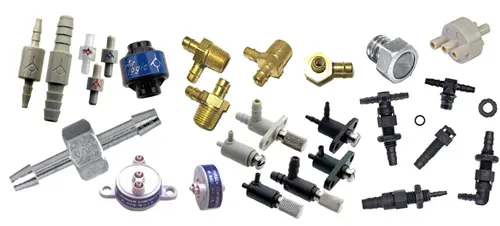
pneumatic component

Key Benefits Include:

  • Accurate movement control for production equipment
  • Consistent force application during operations
  • Improved product quality and precision
  • Reduced variation between production cycles
  • Enhanced operational reliability
  • Better process repeatability
  • Stable performance under continuous use

These advantages help manufacturers maintain high standards while increasing confidence in production outcomes.

Enhancing Equipment Efficiency

Efficient equipment operation is important for achieving production goals. Pneumatic components contribute to faster and more controlled machine movements, helping facilities maximize productivity.

Efficiency Advantages:

  • Quick response times during operation
  • Smooth automation performance
  • Reduced production interruptions
  • Improved cycle consistency
  • Optimized machine functionality
  • Enhanced workflow coordination
  • Better utilization of manufacturing resources

The combination of speed and precision creates a productive environment that supports long-term operational success.

Promoting Reliable Automation Performance

Automation systems rely on dependable components to maintain consistent operation. Precision pneumatic solutions support accurate control functions that help automated equipment perform effectively.

Important Contributions:

  • Reliable actuator performance
  • Precise positioning capabilities
  • Stable pressure regulation
  • Consistent operational control
  • Improved synchronization between systems
  • Enhanced motion accuracy
  • Dependable process execution

Many manufacturers also explore technical resources and product information through references such as https://www.hebaiele.com/es/ while evaluating solutions that support efficient and accurate production requirements.

Improving Product Quality Standards

Quality improvement remains a priority across manufacturing sectors. Precision pneumatic components help ensure that production equipment performs according to exact specifications.

Quality-Related Benefits:

  • Consistent manufacturing outcomes
  • Accurate assembly operations
  • Reduced product inconsistencies
  • Better dimensional control
  • Improved finishing processes
  • Enhanced inspection reliability
  • Greater confidence in final products

These benefits support customer satisfaction while strengthening overall production performance.

Supporting Long-Term Manufacturing Growth

Reliable pneumatic technology contributes to sustainable manufacturing development. High-quality components help organizations maintain dependable operations while supporting future expansion goals.

Long-Term Advantages:

  • Increased equipment dependability
  • Reduced maintenance challenges
  • Improved operational stability
  • Better production planning capabilities
  • Enhanced manufacturing flexibility
  • Strong support for process optimization
  • Greater overall efficiency

Conclusion

Accurate manufacturing processes depend on precision pneumatic components because they provide reliable control, consistent performance, and enhanced operational efficiency. Their contribution to automation, quality improvement, and equipment reliability helps create productive manufacturing environments. By supporting accuracy, consistency, and long-term performance, precision pneumatic components continue to play a vital role in achieving outstanding manufacturing results.