Business

Man And Van Service Delivers Quick Response For Urgent Relocations

Man and van service has become a trusted solution for individuals and families who need fast and efficient relocation support, especially during urgent situations. Whether it is a sudden home move, last-minute office shift, or quick transportation of belongings, this service offers a practical and time-saving option. With its responsive approach and flexible scheduling, it ensures that relocation challenges are handled smoothly. The focus on speed, safety, and convenience makes it an ideal choice for modern moving needs today everyday. It is widely preferred for last minute relocation needs in urban and rural areas today.

Rapid Response for Urgent Relocations

One of the major advantages of man and van service is its fast response capability for urgent relocation requirements across locations today. When time becomes critical the service ensures immediate arrangement of transport and skilled handling of items without unnecessary waiting period included efficient. It is highly suitable for emergency shifting lease changes and sudden relocation demands that require immediate attention with quick support system. The teams operate with high efficiency ensuring that relocation tasks are completed quickly and safely under pressure situations always reliable. This makes the service a dependable option for customers needing fast moving assistance at any time with instant response support. Local users choose removals Nottingham for convenient home relocation services

Flexible and Efficient Moving Support

Removal Company

Man and van service provides flexible moving support that can be adjusted according to customer needs and relocation size requirements easily managed. It ensures that urgent and planned relocations are handled efficiently with proper scheduling and timely execution for better outcomes every single time. Professional teams manage packing loading and transport tasks ensuring safety and speed during all types of relocations without compromise in service. It is suitable for both small households and business moves offering consistent efficiency and dependable service quality throughout relocation process. This makes it a preferred choice for those seeking fast organized and reliable moving assistance solutions in any situation available.

  • Man and van service adapts to different relocation sizes and customer requirements efficiently always reliable
  • It offers quick scheduling options ensuring urgent moves are handled without stress or delay smoothly
  • Trained professionals ensure safe packing loading and transportation of items during fast relocations process completed
  • Services are designed for local and short distance moves with maximum efficiency and care guaranteed

Benefits of Choosing Man and Van Service

This service offers a reliable and efficient solution for people who need quick relocation support during urgent or planned moving situations anytime anywhere assistance. It reduces stress by providing organized planning timely execution and careful handling of all belongings throughout the entire relocation process from start to finish. Customers benefit from fast transport professional support and flexible scheduling options that make relocation easier and more convenient overall for all users every time. Its adaptability makes it suitable for residential and commercial needs ensuring safe and timely delivery of items every time with trusted service quality.

Conclusion

Man and van service ensures fast response and reliable relocation support making urgent moves smooth and stress free for individuals and families every single time. It remains a dependable option for quick and safe transportation of belongings in any situation with complete assurance.

Affordable Yacht Rental for Luxury Sea Experiences

Affordable yacht experiences are reshaping how people enjoy time on the water. What was once considered exclusive can now be enjoyed with flexible arrangements that prioritize comfort, elegance, and memorable moments. These experiences focus on delivering a premium atmosphere without unnecessary complexity, allowing more individuals to enjoy serene surroundings and refined travel at sea.

  • Calm open-water environment enhancing relaxation
  • Elegant onboard comfort with modern seating and décor
  • Personalized experiences tailored to group preferences
  • Professional support ensuring smooth coordination
  • Opportunities for leisure, celebration, and quiet retreat

What Makes the Experience Exceptional?

  • Flexible arrangements supporting different group sizes and needs
  • Comfortable lounging areas designed for relaxation and enjoyment
  • Scenic open-water views offering a refreshing atmosphere
  • Onboard amenities enhancing convenience throughout the experience
  • Balanced combination of leisure, privacy, and comfort

Key Features That Enhance Value

Yacht Rentals

  • Comfortable lounging areas designed for relaxation and enjoyment
  • Flexible arrangements supporting different group sizes and needs
  • Scenic open-water views offering a refreshing atmosphere
  • Onboard amenities enhancing convenience throughout the experience
  • Balanced combination of leisure, privacy, and comfort

Ideal Occasions for a Yacht Experience

  • Small gatherings focused on meaningful shared moments
  • Romantic escapes emphasizing intimacy and serenity
  • Celebratory events that feel unique and memorable
  • Relaxation-focused outings designed to reduce stress
  • Leisure experiences that elevate ordinary days

Simple Ways to Maximize Enjoyment

  • Choose flexible timing to match comfort and preference
  • Focus on shared experiences and meaningful conversations
  • Keep plans simple to enhance relaxation and flow
  • Embrace open surroundings for a calming atmosphere
  • Prioritize comfort and ease throughout the journey

Benefits of Affordable Luxury at Sea

Affordable yacht experiences allow more people to enjoy refined moments on the water without financial strain. The emphasis is on balancing yacht sales dubai elegance with accessibility, ensuring that comfort and style remain central. This approach makes leisure at sea more inclusive while still preserving a sense of exclusivity and relaxation.

Elements That Enhance Onboard Experience

The onboard environment plays a key role in shaping the overall experience. Thoughtfully arranged spaces, smooth movement, and calming surroundings contribute to a sense of ease. Every detail is designed to support comfort, allowing guests to fully immerse themselves in the atmosphere of the open water.

Why This Experience Feels Premium yet Accessible

The combination of affordability and luxury creates a balanced experience that feels both special and approachable. Instead of focusing on excess, the emphasis is on meaningful enjoyment, calm surroundings, and quality time. This balance ensures that guests can enjoy elegance without unnecessary complexity or high barriers.

Additional Highlights of the Experience

  • Smooth journey flow designed for uninterrupted relaxation
  • Elegant seating arrangements supporting comfort throughout the experience
  • Open surroundings encouraging a sense of freedom
  • Flexible options enhancing personalization and enjoyment
  • Calm atmosphere promoting mental clarity and relaxation
  • Memorable moments created through shared experiences on water

This combination of features ensures a well-rounded experience that prioritizes comfort, enjoyment, and lasting impressions. Each element works together to create a smooth and satisfying journey on the water. Affordable yacht experiences bring together elegance, comfort, and relaxation in a way that feels natural and enjoyable. The focus remains on creating meaningful moments on open water while maintaining a sense of ease and refined simplicity.

Experience Smooth Cooling With Window Tinting Technology Services

Modern living demands comfort, efficiency, and smart solutions especially when it comes to managing indoor temperatures. Window tinting technology services offer an innovative way to maintain a cooler environment while enhancing aesthetics and energy savings. Whether for homes, offices, or vehicles, this advanced solution delivers consistent performance with long-term benefits.

What Is Window Tinting Technology?

Luxury Glass Tinting involves applying a thin, transparent film to glass surfaces. These films are engineered with advanced materials that reduce heat, block harmful UV rays, and improve overall comfort without compromising natural light.

Key Benefits of Window Tinting

  • Enhanced Cooling Efficiency
    Window tinting significantly reduces heat penetration, helping interiors stay cool even during peak sunlight hours.
  • Energy Savings
    By minimizing heat gain, air conditioning systems work less, leading to lower energy consumption and reduced utility bills.
  • UV Protection
    High-quality tint films block up to 99% of harmful UV rays, protecting skin and preventing fading of furniture, flooring, and interiors.
  • Improved Privacy
    Tinted windows provide an added layer of privacy without completely obstructing the outside view.
  • Glare Reduction
    It minimizes glare from sunlight, making it easier to work, relax, or drive comfortably.

Types of Window Tinting Technologies

Glass Tinting

Different environments require different solutions. Here are some popular options:

  • Solar Control Films
    Designed to reduce heat and glare, perfect for residential and commercial spaces.
  • Ceramic Films
    Known for superior clarity and high heat rejection without interfering with electronic signals.
  • Reflective Films
    These films reflect sunlight, offering maximum heat reduction and daytime privacy.
  • Dyed Films
    A cost-effective option that enhances appearance while providing moderate heat control.

Why Choose Professional Tinting Services?

Opting for professional window tinting ensures precision, durability, and optimal performance. Experts use high-grade materials and advanced installation techniques to deliver flawless results.

  • Accurate film application without bubbles or peeling
  • Access to premium-quality materials
  • Customized solutions based on specific needs
  • Long-lasting performance with warranties

Ideal Applications

Window tinting technology is versatile and suitable for multiple uses:

  • Residential Spaces
    Maintain a cool and comfortable home environment while protecting interiors.
  • Commercial Buildings
    Enhance workplace comfort and reduce operational costs.
  • Automobiles
    Improve driving comfort and protect vehicle interiors from heat damage.

A Smart Investment for the Future

Window tinting is more than just an upgrade it is a practical investment in comfort, sustainability, and style. With rising temperatures and increasing energy costs, adopting this technology ensures a cooler, more efficient space all year round.

Final Thoughts

Experience the perfect blend of innovation and comfort with window tinting service. From reducing heat and glare to enhancing privacy and efficiency, this solution transforms everyday spaces into cool, relaxing environments. Choosing professional services ensures you get the most out of this advanced technology making every space you step into noticeably better.

Supporting an Australian Olive Oil Company Isn’t a Cute Idea. It’s a Practical One.

Buying Australian olive oil isn’t some sentimental “shop local” bumper sticker logic. It’s a supply chain decision that affects what gets planted, what gets processed, and which regional towns keep their skilled agricultural jobs.

And yes, it also affects what ends up on your plate.


 Hot take: imported oil is often a gamble

Not always. Some imported oils are excellent. But the problem is structural: long shipping times, mixed-source blending, and fuzzy traceability can turn “extra virgin” into a label you hope is true rather than one you can verify. That’s why many buyers start looking for an Australian olive oil company with clearer sourcing and fresher supply.

If you’ve ever tasted an oil that looked fine but felt flat, waxy, or weirdly stale, you already know what distance does.

One-line truth:

Freshness is a quality feature, not a marketing flourish.


 The local agriculture part (where this gets real)

When you buy from an Australian olive oil company, you’re not just buying oil. You’re underwriting an ecosystem: orchards, seasonal crews, agronomists, irrigation suppliers, mechanics who service harvesters, and, crucially, mills.

A local industry stays viable when it has predictable demand. That predictability lets growers invest in tree health, replanting cycles, frost mitigation, and modern irrigation upgrades instead of just trying to survive one more season.

Now, this won’t apply to everyone, but in my experience the farms that last aren’t the ones who chase every short-term price spike. They’re the ones with stable processing access and a buyer base that doesn’t disappear the moment supermarket specials roll in.


 Mills: the unglamorous backbone of quality

Premium Olive Oil

People romanticize groves. I get it. Silvery leaves, Mediterranean vibes, the whole thing.

But mills are where quality is either protected or destroyed.

Olives don’t politely wait around after harvest. Once picked, fruit starts degrading, and delays increase defect risk. Local milling capacity means:

– shorter time from harvest to extraction

– less transport heat stress

– tighter harvest windows (you can pick at optimal maturity, not “when the truck is available”)

– a workable feedback loop between grower and mill operator

Regional mills also keep money circulating locally rather than leaking out to distant processing centers. That’s not ideology; it’s basic regional economics.


 Sustainability, minus the vague buzzwords

Australian olive growers operate in a climate that forces competence. Water planning isn’t optional; it’s existential.

So you’ll see real tools in play: drip irrigation, soil moisture monitoring, careful scheduling around heat events, and irrigation strategies that match tree phenology rather than habit. When it’s done well, you reduce waste without starving the trees (a surprisingly common mistake in drought years).

Here’s the thing: sustainability only counts if it can be measured.

A lot of Australian producers can show you numbers, water-use efficiency, soil organic matter trends, input reductions, and quality outcomes year over year, because the business demands it.


 Soil health and biodiversity: it’s not “nice,” it’s defensive farming

If you want consistent yields and stable oil quality, you don’t treat soil like inert dirt.

Healthy orchards tend to have better structure, more organic matter, and functioning microbial activity that improves nutrient cycling. That translates into less leaching, better moisture retention, and trees that handle extremes with less drama.

Practical stuff I’ve seen work (and keep working):

– winter cover crops to protect soil and feed biology

– compost top-dressing to build organic matter slowly

– reduced-till or minimal disturbance to preserve structure

– mulching to buffer temperature swings and evaporation

Biodiversity corridors around orchard margins aren’t just for pretty photos either. They support predator species and pollinators, which can reduce pest pressure in ways chemicals can’t replicate long-term.


 Varieties, pests, and the reality of regional Australia

Australia isn’t one olive climate. It’s many. That’s why cultivar choice isn’t just a flavor decision; it’s a pest-and-stress decision too.

In cooler or temperate zones, you’ll often see cultivars like Frantoio and Arbequina delivering steady performance with manageable pest loads when canopy management and site selection are right. Hotter inland areas lean into tougher profiles, Coratina-style intensity, Picual relatives, because sun, heat, and water stress don’t negotiate.

Then the pests adapt, because of course they do.

Warmer springs can accelerate olive fruit fly cycles. Wetter pockets can nudge leaf spot or other fungal issues into the foreground. Good producers don’t spray by calendar; they monitor and respond.

You’ll see integrated pest management in the grown-up sense of the term:

– pheromone traps and lifecycle timing

– pruning for airflow (simple, underrated)

– biological controls where they’re viable

– targeted intervention instead of blanket chemistry

Is it perfect? No. But it’s getting more precise, and precision is where both sustainability and profitability live.


 One stat, because numbers help cut through vibes

Buying locally can reduce transport emissions substantially, simply because you’re not moving liquid food across oceans.

A commonly cited benchmark in food life-cycle comparisons is that transport can be a meaningful slice of total emissions for imported goods, especially when cold-chain or long-distance freight is involved. For a broader framing on food transport and emissions, see Our World in Data’s synthesis on food system emissions and supply chain contributions: https://ourworldindata.org/food-ghg-emissions

(Your exact footprint depends on farming practices, packaging, and logistics, but distance rarely helps.)


 Price resilience: the part nobody wants to talk about at tastings

A local industry with local demand is harder to knock over.

Shorter supply chains mean fewer delays, less spoilage risk, and less exposure to global freight shocks or sudden import price swings. If domestic producers can count on baseline demand, they can reinvest in orchard maintenance and quality control instead of cutting corners.

Look, I’m not saying Australian olive oil will always be cheaper. Sometimes it won’t be.

But “cheapest on shelf” and “most stable value over time” aren’t the same thing.


 Quality has been climbing (because farmers got nerdy, basically)

Australian producers have gotten sharper about harvest timing, milling temperature control, and batch handling. That’s where the big gains are. Not in fancy labels.

Small shifts, picking a week earlier, reducing time to mill, controlling malaxation temperature, can change polyphenol retention, sensory freshness, and defect rates in measurable ways. I’ve tasted oils from the same region where one producer nailed the process and another didn’t, and the difference is blunt. You don’t need a trained palate to notice.


 How to choose Australian olive oil without falling for packaging

You don’t need to overcomplicate this, but you do need to be picky.

A quick field guide:

Harvest year on the bottle beats “best before” every time

Clear regional origin (not just “packed in Australia”)

Producer transparency: batch info, varieties, processing notes, lab testing if available

Flavor that feels alive: fruitiness, bitterness, peppery finish, clean aroma

Storage reality: dark glass, good seals, and no months of sitting in heat

If the oil tastes flat, greasy, or dusty, trust your mouth. Defects aren’t a personality trait.


 Heritage and community identity (the human part that actually matters)

Australian olive oil has become tied to place in a way people don’t always expect. Regions build reputations. Producers share equipment knowledge. School programs and agritourism form around harvest season. Cooperatives and small-batch mills create traceability that’s more than a QR code.

And if you care about authenticity, that’s where it lives: in repeatable practices, documented handling, and a community that can tell you exactly where the oil came from and why it tastes like it does.

Not imagined. Measurable. Local.

Environmental remediation services deliver effective cleanup for industrial sites.

Environmental remediation services play a vital role in restoring contaminated industrial sites and ensuring safer surroundings for communities and ecosystems. They focus on identifying pollutants, removing hazardous materials, and improving land quality through structured and sustainable approaches. This ensures industrial locations can be safely reused for development, agriculture, or natural restoration projects.

Key Benefits of Environmental Remediation Services

  • Improved soil quality that supports healthy vegetation growth and ecosystem balance
  • Reduction of hazardous contaminants from land and groundwater systems
  • Safer working environments for industrial operations and nearby communities
  • Enhanced regulatory compliance supporting long-term environmental responsibility
  • Restoration of degraded land for future productive use

Advanced Techniques Used in Industrial Remediation

Modern remediation approaches combine science and technology to achieve efficient and reliable cleanup results. These methods are designed to address complex contamination challenges across soil, water, and air environments. By using innovative treatment processes, remediation teams can significantly reduce environmental risks and enhance site recovery outcomes. Environmental specialists use environmental remedies san Francisco for restoration planning.

Long-Term Impact on Sustainability and Communities

Effective remediation not only restores industrial sites but also contributes to long-term environmental sustainability. It helps reduce pollution levels, protects natural resources, and promotes healthier living conditions for surrounding populations. These positive outcomes support economic growth while maintaining ecological balance for future generations.

Conclusion: Building Cleaner Industrial Futures

Environmental Remediation Services

Environmental remediation services provide essential solutions for transforming contaminated industrial areas into safe and productive spaces. Through structured processes and innovative techniques, they ensure lasting environmental improvement and community well-being.

Step-by-Step Remediation Process Overview

Industrial remediation follows a systematic process that ensures accuracy, safety, and efficiency throughout every stage of cleanup. It begins with detailed site assessment and contamination analysis to determine the level and type of pollutants present. After planning, appropriate remediation techniques are applied, followed by continuous monitoring to ensure complete restoration.

Technological Advancements in Remediation

Modern technologies have significantly enhanced the effectiveness of industrial remediation services by increasing precision and reducing project timelines. Tools such as advanced filtration systems, bioremediation methods, and soil stabilization techniques contribute to improved environmental outcomes. These innovations ensure safer, faster, and more sustainable cleanup processes for industrial environments.

Why Industrial Remediation Matters Today

As industrial activities expand, the importance of effective remediation grows in maintaining environmental balance and public safety. It ensures that contaminated sites do not pose long-term risks to ecosystems or human health. By restoring industrial lands, these services help create opportunities for redevelopment and sustainable land use planning.

Positive Environmental and Economic Contributions

Remediation efforts deliver both environmental restoration and economic benefits by enabling safe land reuse and investment opportunities. Clean and restored industrial sites support infrastructure development and contribute to long-term regional growth. They also promote healthier environments that improve quality of life for surrounding communities.

Final Outlook on Sustainable Cleanup

Industrial remediation continues to play a crucial role in building cleaner, safer, and more sustainable environments for future development.

Cybersecurity negotiation services enhance decision-making during cyber emergencies.

In today’s rapidly evolving digital landscape, cyber emergencies have become more frequent and complex. Organizations face ransomware attacks, data breaches, and system disruptions that demand immediate and strategic responses. Cybersecurity negotiation services play a crucial role in guiding decision-making during such high-pressure situations. By providing structured communication pathways, expert insights, and risk assessment strategies, these services help organizations respond effectively. Their involvement ensures that decisions are not driven by panic but by clarity, analysis, and long-term impact considerations. As cyber threats continue to grow, negotiation services are becoming essential in maintaining operational stability and informed crisis response.

The Role of Negotiation in Cyber Crisis Management

During cyber emergencies, organizations often struggle with fragmented information and time-sensitive pressures. Cybersecurity negotiation services act as a stabilizing force by facilitating clear communication between affected stakeholders, technical teams, and decision-makers. These services help interpret attacker demands, evaluate risks, and assess potential outcomes of various response strategies. By introducing structured negotiation frameworks, they reduce uncertainty and enable leaders to make informed choices. This structured approach ensures that responses are not reactive but strategically aligned with organizational priorities, legal considerations, and data protection goals. Ultimately, negotiation expertise transforms chaotic incidents into manageable decision pathways that support resilience and continuity. Experts such as UK ransomware negotiators guide critical ransomware decisions.

Key Benefits of Cybersecurity Negotiation Services in Decision-Making

  • Improved clarity in high-pressure situations by filtering critical information and reducing noise for decision-makers.
  • Faster and more structured decision cycles that reduce downtime and operational disruption.
  • Enhanced risk evaluation through expert analysis of attacker behavior and intent.
  • Better coordination between technical teams, executives, and external stakeholders.
  • Increased likelihood of favorable outcomes through strategic communication approaches.
  • Strengthened organizational resilience and preparedness for future incidents.

Strengthening Decision-Making Under Pressure

One of the most significant advantages of cybersecurity negotiation services is their ability to support rational decision-making during intense cyber crises. When systems are compromised, stress levels rise and clarity often diminishes. Negotiation experts provide structured guidance that helps leaders weigh immediate actions against long-term consequences. They introduce scenario-based thinking, enabling organizations to compare different response pathways before committing to a course of action. This reduces the risk of costly errors and ensures that decisions align with both operational needs and strategic goals. Over time, this improves organizational confidence and builds a stronger framework for handling future incidents effectively.

Conclusion

Cybersecurity negotiation services have become a vital component of modern incident response strategies, especially in an environment where cyber threats are increasingly sophisticated and fast-moving. By enhancing decision-making during emergencies, these services ensure that organizations respond with precision, confidence, and strategic foresight. They bridge the gap between technical complexity and executive decision-making, allowing for more balanced and informed outcomes. As cyber incidents continue to evolve, the need for structured negotiation support will only grow stronger. Organizations that integrate these services into their crisis management frameworks are better positioned to minimize disruption, protect critical assets, and maintain operational continuity under pressure. Ultimately, they empower organizations to navigate uncertainty with greater stability and resilience in the face of evolving cyber risks.

Chip bag sizes support portion control and convenient snacking experiences

Chip bag sizes play an important role in shaping modern snacking habits by offering flexibility, convenience, and mindful portion control. With evolving consumer preferences, packaging has become more than just a container it is a practical solution that enhances how people enjoy snacks in everyday life. From single-serve packs to family-sized options, chip bag sizes are thoughtfully designed to meet diverse needs while promoting a positive snacking experience.

The Role of Portion Control in Snacking

Portion control is a key factor in maintaining balanced eating habits, and chip bag sizes make this easier than ever. By offering pre-measured quantities, they help consumers enjoy snacks without overindulging.

  • Smaller bags encourage mindful consumption and reduce food waste
  • Individually sized portions are ideal for calorie-conscious individuals
  • Pre-packed servings eliminate the need for guesswork
  • Consistent portion sizes help support routine dietary habits

These benefits make chip bags an effective tool for those seeking both enjoyment and moderation in their snacking routines. Retailers choose chip bag sizes that maximize shelf space and visibility.

Variety of Sizes for Different Lifestyles

Chip bag sizes are designed to suit a wide range of lifestyles, making them a versatile packaging solution. Whether for personal use or group settings, there is a size that fits every occasion.

  • Single-serve packs are perfect for on-the-go snacking
  • Medium-sized bags work well for sharing with friends
  • Larger family packs cater to gatherings and events
  • Multi-pack options offer convenience for weekly planning

This variety ensures that consumers can easily choose the right portion based on their needs, enhancing both convenience and satisfaction.

Convenience for Everyday Use

One of the biggest advantages of chip bag sizes is their convenience. They are designed to fit seamlessly into busy schedules and active lifestyles.

  • Compact packaging makes them easy to carry in bags or lunchboxes
  • Resealable options help maintain freshness for longer periods
  • Lightweight design ensures easy storage at home or work
  • Ready-to-eat format saves time and effort

These features contribute to a hassle-free snacking experience, making chip bags a reliable choice for people on the move.

Supporting Smart Snacking Habits

Chip bag sizes not only provide convenience but also encourage smarter snacking choices. By offering controlled portions and easy access, they help create a balanced approach to enjoying snacks.

  • Encourages mindful eating without sacrificing enjoyment
  • Helps manage daily intake in a simple and practical way
  • Reduces the temptation to overconsume
  • Promotes a structured snacking routine

This thoughtful approach supports healthier habits while keeping snacking enjoyable and satisfying.

Enhancing Overall Snacking Experience

The design and functionality of chip bag sizes contribute significantly to the overall snacking experience. From maintaining freshness to ensuring easy handling, every detail is focused on user comfort.

  • Durable packaging protects product quality
  • Easy-open features improve accessibility
  • Attractive presentation adds to visual appeal
  • Flexible sizing adapts to different preferences

These elements work together to create a seamless and enjoyable experience for consumers.

Conclusion

Chip bag sizes are a smart and effective solution for supporting portion control and convenient snacking. By offering a range of sizes, enhancing portability, and encouraging mindful consumption, they cater to the needs of modern consumers. As snacking continues to evolve, thoughtfully designed chip bag sizes will remain an essential part of creating balanced, enjoyable, and convenient eating experiences.

Step by Step Guide for Accurate Relay Testing Methods

Testing a relay accurately is essential for maintaining the efficiency and reliability of electrical systems. Whether used in automotive, industrial, or household applications, relays play a critical role in controlling circuits. This step-by-step guide will help you understand effective relay testing methods with clarity and confidence.

Understanding the Basics of Relay Testing

Before diving into the process, it is important to know what you’re testing. A relay typically consists of a coil, contacts, and a switching mechanism. Proper testing ensures each part functions smoothly.

Key components to focus on:

  • Coil (electromagnetic part)
  • Normally open (NO) contacts
  • Normally closed (NC) contacts
  • Common terminal

Essential Tools You Will Need

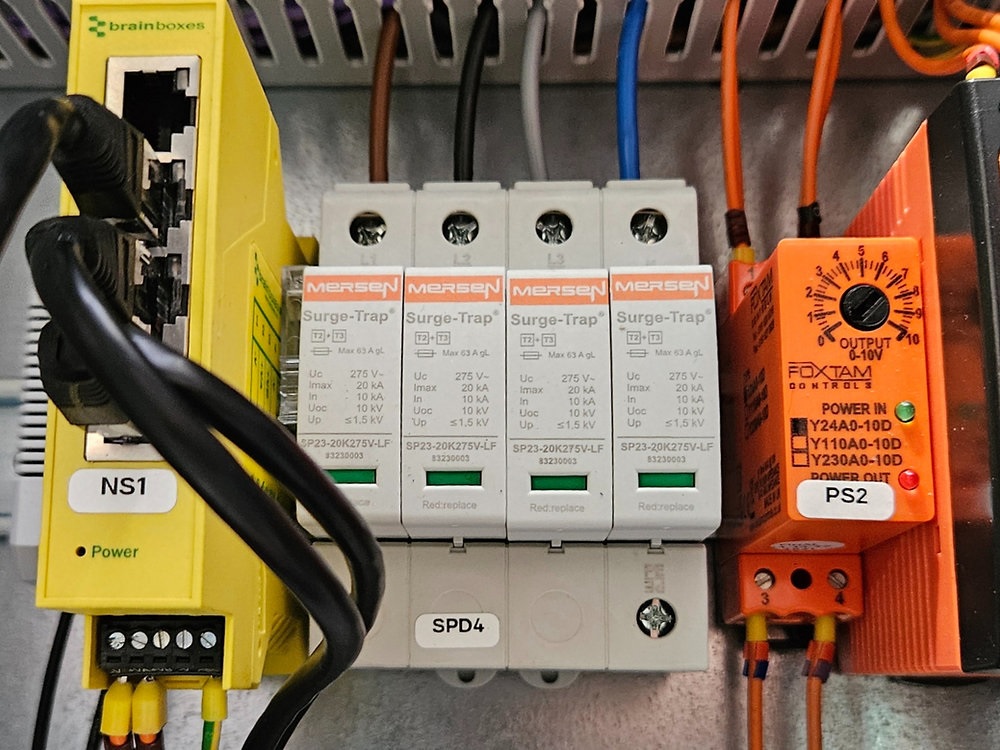
Having the right tools ensures accurate results and a smooth testing process. Technicians learn how to check a relay for quick troubleshooting.

Basic tools include:

  • Multimeter
  • Power source (battery or regulated supply)
  • Test leads or probes
  • Insulated gloves for safety

Step 1: Visual Inspection

Start with a simple visual check to identify obvious issues.

Look for:

  • Burn marks or discoloration
  • Loose or damaged terminals
  • Cracks or physical damage

This quick step can often reveal major faults without further testing.

Step 2: Check the Relay Coil

The coil is the heart of the relay, and testing it is crucial.

Steps to follow:

  • Set the multimeter to resistance mode
  • Measure resistance across the coil terminals
  • Compare the reading with expected values

What to expect:

  • A normal reading indicates a healthy coil
  • Zero or infinite resistance suggests a faulty coil

Step 3: Test Contact Continuity

Next, verify whether the relay contacts are functioning properly.

Procedure:

  • Set the multimeter to continuity mode
  • Check between common and normally closed terminals (without power)
  • Apply power and check between common and normally open terminals

Expected results:

  • Continuity should switch correctly when power is applied
  • Smooth transition indicates proper operation

Step 4: Apply Power to the Coil

Applying power helps confirm real-time relay operation.

Steps:

  • Connect the coil to a suitable power source
  • Listen for a clicking sound, indicating activation
  • Observe the contact switching behavior

Positive signs:

  • Clear clicking sound
  • Immediate and stable switching

Step 5: Verify Voltage Across Contacts

Testing voltage ensures the relay is passing current effectively.

How to do it:

  • Power the relay
  • Measure voltage across output terminals
  • Ensure minimal voltage drop

Results:

  • Stable voltage indicates efficient contact performance
  • Irregular readings may suggest worn contacts

Step 6: Perform Final Functional Check

Combine all previous steps for a complete functional test.

Checklist:

  • Coil activates reliably
  • Contacts switch accurately
  • No overheating or unusual noise

This confirms the relay is fully operational and dependable.

Tips for Accurate Relay Testing

To achieve the best results, follow these practical tips:

  • Always test in a clean and dry environment
  • Ensure proper voltage levels during testing
  • Double-check connections before applying power
  • Handle components carefully to avoid damage

Conclusion

Accurate relay testing does not have to be complicated when approached step by step. By combining visual inspection, electrical measurements, and functional checks, you can confidently assess relay performance. Following these methods ensures reliable operation, improves system safety, and extends the life of your electrical components.

Offer Botanical Precision With Professionally Curated Plant Attributes

Professionally curated plant attributes provide a way to enhance both aesthetic appeal and functional benefits, ensuring that every plant meets the expectations of enthusiasts, gardeners, and interior designers alike. By focusing on carefully defined traits, you can transform ordinary spaces into thriving natural environments.

The Importance of Botanical Precision

Achieving botanical precision means paying attention to the smallest details of plant growth, form, and health. It is about understanding the specific characteristics that make each plant unique and ensuring these traits are highlighted and preserved. This approach benefits both the plant caretaker and the plant itself, creating a harmonious balance between nature and nurture. Access to a comprehensive Plant data API helps researchers analyze plant distributions and species traits across diverse ecosystems.

  • Enhanced Growth Performance: Selecting plants based on proven growth characteristics ensures they thrive in their intended environment.
  • Consistent Quality: Professionally curated attributes guarantee uniformity in size, shape, and color, creating a cohesive visual impact.
  • Optimal Health: Plants with well-documented traits are easier to care for and maintain, reducing stress and promoting longevity.

Key Attributes for Professional Curation

Professional plant curation involves evaluating a variety of traits that contribute to both beauty and functionality. These attributes are carefully measured, observed, and maintained throughout the plant’s lifecycle.

  • Leaf Color and Texture: Rich, vibrant foliage enhances aesthetic appeal, while varied textures add depth and dimension.
  • Growth Habit: Understanding whether a plant is upright, trailing, or compact allows for precise placement and design planning.
  • Flowering Patterns: Predictable bloom cycles enable seasonal displays and long-lasting visual interest.
  • Resilience and Adaptability: Selecting plants that can withstand varying conditions ensures sustained vitality.
  • Fragrance: Plants with aromatic qualities contribute to a multi-sensory experience, enhancing any indoor or outdoor space.

Benefits of Professionally Curated Plant Selection

Offering plants with professionally curated attributes brings numerous advantages to both businesses and individuals. Beyond their visual charm, these plants provide tangible benefits that elevate the overall experience of plant ownership.

  • Increased Satisfaction: Customers receive plants that meet their expectations, creating trust and repeat engagement.
  • Simplified Care Routine: Knowledge of each plant’s precise requirements makes watering, pruning, and maintenance straightforward.
  • Enhanced Interior and Exterior Design: Coordinated plant traits complement architectural elements and natural landscapes seamlessly.
  • Sustainability and Longevity: Healthier plants with specific traits require fewer interventions, promoting environmentally conscious choices.

How to Implement Botanical Precision

Implementing botanical precision begins with careful observation and selection. Each plant should be assessed for its key characteristics, and ongoing monitoring ensures these traits are maintained. Proper labeling, detailed care instructions, and strategic placement amplify the impact of professionally curated attributes.

  • Conduct detailed assessments of growth, color, and resilience.
  • Maintain consistent documentation for each plant batch.
  • Educate staff and clients on optimal care techniques.
  • Strategically arrange plants to highlight their most appealing features.

Conclusion

Delivering botanical precision with professionally curated plant attributes elevates the experience of plant ownership, creating visually stunning and healthy environments. By prioritizing quality, consistency, and care, every plant becomes a testament to the beauty and sophistication that nature offers. Professionals and enthusiasts alike can enjoy a world where every leaf, bloom, and stem is a carefully considered element of a thriving ecosystem.

Roller Shutters & Home Security in Melbourne: The Practical Upgrade That Actually Works

Roller shutters aren’t magic. They’re better than that: they’re blunt, physical, inconvenient-to-attack reality.

If you live in Melbourne, you already know most home security “solutions” are either noisy, fiddly, or easy to ignore. A roller shutter, properly installed, is none of those things. It simply makes your place harder to break into, and that one change reshapes the whole risk equation.

A shutter is a barrier. A barrier buys time.

Here’s the thing: most break-ins aren’t movie-style missions. They’re fast, opportunistic, and biased toward the easiest entry point, usually a ground-floor window, a side door, or anything shielded from the street.

Installing roller shutters in Melbourne forces a burglar to do something loud and time-consuming: pry, cut, smash, or rip fixings out of masonry. That’s a different category of effort, and it increases the chance of being spotted. Even if you’ve got alarms, cameras, or a dog, delaying entry is still one of the best “features” you can install.

One-line truth:

A window they can’t see through is a window they’re less likely to bother with.

“Do they actually deter intruders?” Yes, because they change the math

Bold opinion: If you want security that works when the power’s out and Wi‑Fi is dead, start with something made of metal.

Roller shutters do three deterrent jobs at once:

They remove visibility. No casual scan for laptops, handbags, or empty rooms.

They reduce access points. Especially on older Melbourne homes with lots of street-facing glazing.

They signal effort. Visible shutters suggest you’ve thought about security, intruders notice that.

Now, this won’t apply to everyone, but… if your home backs onto a laneway, a reserve, or has a long side setback, shutters pull extra weight. Those are the “quiet access” zones where break-ins often begin.

The stuff that matters (and the stuff that’s just marketing)

Some shutter brochures read like they’re selling a spacecraft. Ignore the fluff and look for a few real-world features.

Security-critical design details

A decent system typically includes:

Reinforced slats that resist bending and “peeling” from the bottom rail

Tight guides with minimal lateral play (gaps equal leverage points)

Proper locking, either mechanical (strap locks) or motor lock mechanisms

Tamper resistance around end locks and fixings (if it can be accessed externally, it can be attacked externally)

Manual override for motorised shutters (because outages happen)

In my experience, the biggest difference between “secure” and “security theatre” is installation precision. A strong shutter with sloppy fitment still gives a pry bar room to work.

Melbourne weather doesn’t care about your hardware

Wind gusts, sideways rain, hot spells, cold snaps, salty air if you’re bayside… Melbourne can be gentle for weeks and then ruin a cheap mechanism in one ugly weekend.

From a technical angle, weather resilience is really about two things: materials and mounting integrity.

You want:

Corrosion-resistant slats and hardware (powder-coated aluminium is common; stainless fixings help near the coast)

Strong guides and anchors that don’t loosen over time

Seals that stay seals after expansion/contraction cycles (cheap rubber hardens and shrinks)

Also: listen for rattling. If a shutter chatters in wind, it’s not just annoying, it’s wear, and wear eventually becomes a security weakness.

A quick stat, because “feelings” aren’t security

According to the Australian Bureau of Statistics, there were just over 200,000 recorded “unlawful entry with intent” offences in Australia in 2022 (ABS, Recorded Crime, Victims, 2022). That’s national, not Melbourne-specific, but it’s a clean reminder that break-ins aren’t rare edge cases.

Security upgrades shouldn’t be driven by panic. They should be driven by probability.

Curb appeal… yes, really

People act like shutters automatically make a house look like a warehouse. Sometimes they do (usually when the colour choice is harsh or the box sits awkwardly). But modern profiles can look sharp, especially on contemporary facades.

A shutter can actually tidy up the elevation:

Clean lines. Consistent window rhythm. A more “finished” look.

If you care about resale perception, match the shutter colour to window frames or trim rather than trying to “feature” it. Heritage homes? Go subtler. Modern builds can handle bolder contrasts.

And privacy is the silent win here. You’re not just blocking intruders, you’re blocking the street’s eyes on your life.

Choosing the right system (don’t overcomplicate it, but don’t cheap out)

Material + insulation: what I’d prioritise

Aluminium is popular for good reasons: lighter, corrosion resistant, easier on motors. Steel can be tougher, but it’s heavier and can be less forgiving in coastal conditions if coatings fail.

Insulated slats, often foam-filled, aren’t just about temperature. They also help with:

Noise dampening

Stiffness

A more solid “close” feel (you’ll notice the difference at night)

If the shutter flexes easily by hand when partially down, that’s not a great sign.

Automation and safety: the sensible checklist

Look, motorisation is brilliant… until it isn’t.

So I’d look for:

Obstacle detection / auto-reverse (pets, kids, pot plants, real life happens)

Manual override you can access from inside

Battery backup if you want security during outages

Decent IP rating on exposed components in wet areas

Reliable controls (wall switch + remote is usually enough; “smart” is optional)

Smart integration is convenient for routines, close at dusk, open at a set time, but the security value is really in status certainty: knowing a shutter is actually down when you’re not home.

Installation: where good shutters go to die (or to succeed)

roller shutters in Melbourne

I’ve seen premium shutters undermined by mediocre installs. The common failures are boring:

Misaligned guides. Inadequate anchoring. Shutter boxes fixed into weak substrate. Small gaps that become big leverage points.

A solid installer will obsess over:

– Accurate measuring (no “she’ll be right” tolerances)

– Guide alignment and fastener spacing

– Frame condition (especially on older timber windows)

– Clean cable runs and protected wiring for motors

If someone quotes without properly checking openings, be cautious.

Maintenance isn’t hard. Neglect is expensive.

Roller shutters don’t need weekly fussing, but they do like basic care. Quarterly is a realistic rhythm for most homes.

A simple routine:

– Wipe slats clean (dust and grit chew through finishes)

– Vacuum or brush guides

– Light lubrication where recommended (not everywhere, wrong grease attracts grit)

– Test motor limits and remotes

– Check for loose screws or end-lock wear

If a shutter starts sticking, don’t keep forcing it. That’s how minor friction becomes motor strain, then failure, then an expensive call-out at the worst time.

The honest takeaway

Roller shutters are one of the few security upgrades that don’t rely on someone noticing an alert or responding quickly. They work by being there, closed, solid, and annoying to defeat.

Get the right spec. Install it properly. Maintain it like you’d maintain a gate.

That’s how they turn a soft target into a frustrating one.