

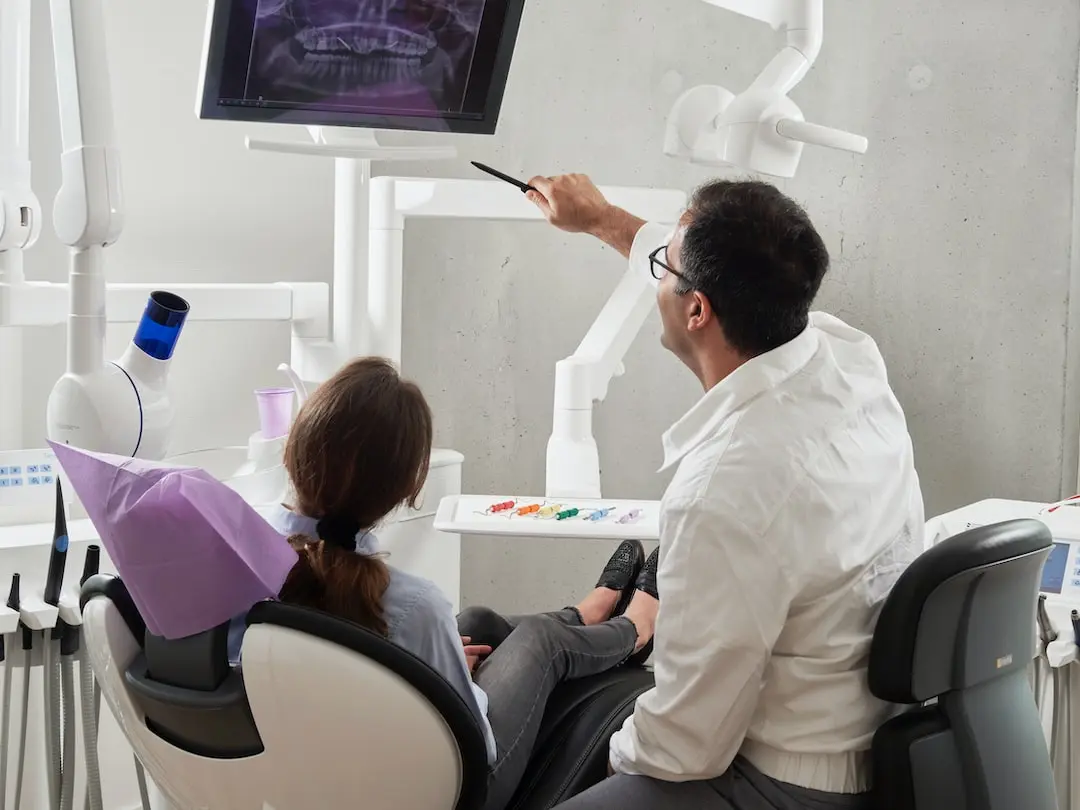
Understanding the Brain-Dental Connection
The relationship between neuroscience and dental care represents a fascinating frontier in modern dentistry. Recent advances in understanding neuroplasticity—the brain’s ability to form and reorganise synaptic connections—have opened new avenues for improving patient experiences and treatment outcomes. For patients seeking advanced dental care, including those visiting a dentist Soho, these developments offer promising possibilities for better treatment approaches.
The Science of Neural Adaptation in Dental Care
Recent studies on neural mechanisms in orofacial pain management have demonstrated how the brain’s adaptive capabilities can be utilised to enhance dental treatments. This understanding has revolutionised approaches to patient care, particularly in managing dental anxiety and chronic oral conditions.
Key Aspects of Neuroplasticity in Dentistry
- Pain perception modification
- Anxiety response regulation
- Adaptive learning for oral habits
- Therapeutic neural retraining
Practical Applications in Modern Dental Practice
Modern dental practices are increasingly incorporating neuroplasticity principles into their treatment protocols. Research on cognitive behavioural interventions in dental settings has shown significant improvements in patient outcomes, particularly in reducing anxiety and improving treatment compliance.
Implementing Neural-Based Approaches
The integration of neuroplasticity concepts into dental care requires a systematic approach. Practitioners must consider various factors that influence neural adaptation, including:
- Patient education and preparation
- Environmental modifications
- Treatment pacing and timing
- Sensory feedback mechanisms
These elements work together to create an optimal environment for positive neural changes. When visiting a dental surgery Soho, patients may notice these principles being applied through carefully structured appointment schedules and tailored communication approaches.
Benefits of Neuroplasticity-Informed Care
Clinical evidence supporting neuroplasticity-based dental interventions highlights several key advantages:
- Reduced treatment-related anxiety
- Improved pain management outcomes
- Enhanced patient cooperation
- Better long-term treatment success
Advanced Therapeutic Techniques
When patients visit a dental surgery Soho, they may experience various therapeutic approaches that leverage neuroplasticity. These techniques often incorporate sensory integration and cognitive retraining to achieve optimal outcomes. The focus remains on creating positive neural pathways that support better dental experiences and treatment results.
Sensory Integration in Dental Practice
Modern dental practices increasingly utilise sensory integration techniques to enhance patient comfort and treatment effectiveness. These approaches might include:
- Controlled environmental stimuli
- Guided breathing exercises
- Progressive muscle relaxation
- Mindfulness-based interventions
Long-term Benefits for Patients
The implementation of neuroplasticity-based approaches in dental care yields substantial long-term benefits. Patients often experience:
- Decreased dental phobia
- Improved oral health maintenance
- Better treatment compliance
- Enhanced overall dental experience
These outcomes contribute to a positive cycle of dental care, where each successful visit reinforces healthy neural pathways and promotes better oral health behaviours.
Future Developments and Possibilities
The field of neuroplasticity in dentistry continues to evolve, with ongoing research revealing new possibilities for treatment enhancement. Emerging areas of focus include:
- Virtual reality applications for neural retraining
- Biofeedback systems for anxiety management
- Personalised treatment protocols based on neural responses
- Advanced pain management techniques
Moving Forward in Dental Care
The integration of neuroplasticity principles into dental practice represents a significant advancement in patient care. By understanding and utilising the brain’s adaptive capabilities, dental professionals can provide more effective, comfortable, and lasting treatments. This approach not only improves immediate treatment outcomes but also contributes to better long-term oral health for patients. As research continues and technologies advance, the application of neuroplasticity in dentistry will likely expand further, offering even more sophisticated solutions for patient care. The future of dentistry looks promising, with neuroplasticity-based approaches paving the way for enhanced treatment experiences and outcomes.