

Modern electrical systems depend on carefully coordinated protection methods to support safe, stable, and reliable operation. Two important approaches are overload protection and surge protection. Although both contribute to electrical safety, they address different electrical conditions. Understanding https://lsp.global/overload-protection-vs-surge-protection/ can help clarify how these methods work together and why each has an important place within a well-designed electrical installation.
Understanding Overload Protection
Overload protection focuses on excessive current that continues flowing through a circuit beyond its intended capacity. When too many loads operate on one circuit or equipment draws more current than expected, conductors can experience increased heating. Protection devices respond by interrupting the circuit when unsafe current levels persist.
Key characteristics include:
- Helps protect wiring from excessive heating.
- Supports safer operation of electrical equipment.
- Responds to sustained overcurrent conditions.
- Can use circuit breakers, fuses, or overload relays.
- Helps maintain appropriate circuit loading.
This approach provides an essential layer of protection for residential, commercial, and industrial electrical systems.
Understanding Surge Protection
Surge protection addresses a different condition: sudden and short-duration increases in voltage. These transient events can result from lightning activity, electrical switching, or changes created by large inductive loads. Sensitive electronic components can benefit significantly from protection against these rapid voltage changes.
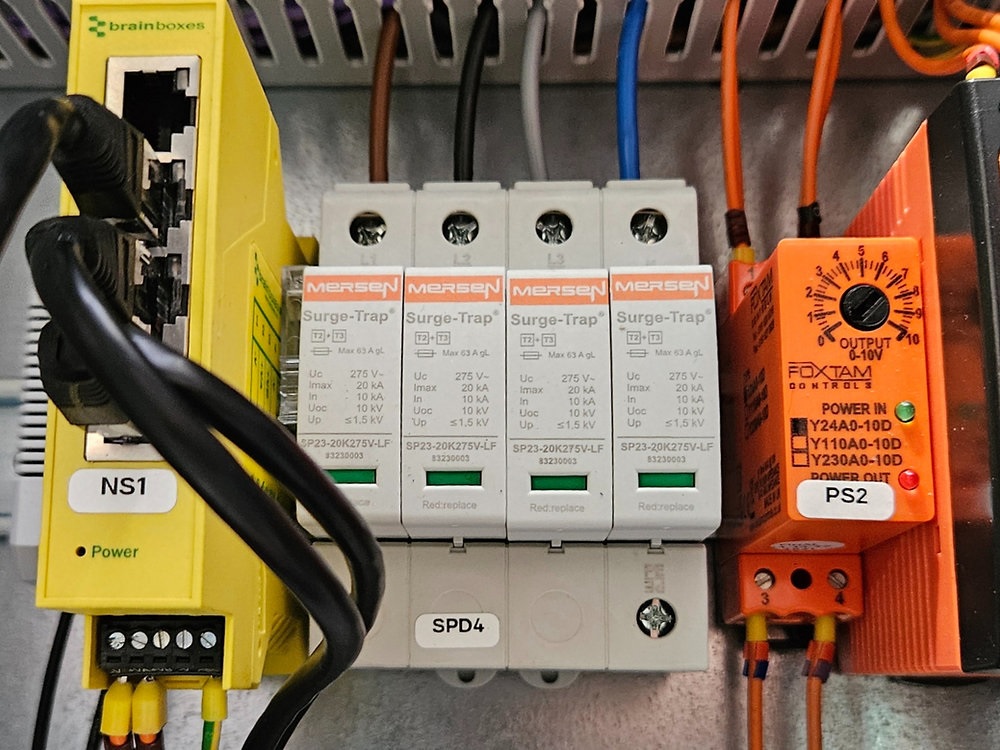
Important features include:
- Responds quickly to transient voltage events.
- Helps shield sensitive electronic circuits.
- Diverts or limits excessive transient energy.
- Supports greater equipment reliability.
- Complements conventional current protection.
Surge protection is particularly valuable in installations containing modern electronic controls, communication equipment, computers, and other sensitive devices.
How The Two Protection Methods Work Together
Overload protection and surge protection should be viewed as complementary methods rather than interchangeable solutions. One concentrates on excessive current, while the other addresses short-duration voltage disturbances. Using both creates a broader protective strategy for electrical installations.
A coordinated approach can provide:
- Protection for electrical wiring and connected loads.
- Additional defense for sensitive electronic equipment.
- Improved continuity during everyday operation.
- Greater confidence in electrical system performance.
- A more complete approach to electrical risk management.
Building A Reliable Protection Strategy
Effective electrical protection begins with understanding the conditions that a system may experience. Circuit capacity, connected equipment, operating patterns, and the sensitivity of electronic loads can all influence protection requirements. Properly selected protective devices can work together to create a balanced electrical environment.
When overload and surge protection are thoughtfully coordinated, electrical systems gain multiple layers of defense. This supports equipment longevity, promotes dependable operation, and helps create safer installations across many applications.
A Practical Foundation For Modern Electrical Safety
Modern protection methods are designed around different electrical challenges, yet their objectives complement one another. Overload protection manages sustained excessive current, while surge protection responds to rapid voltage disturbances. Recognizing these distinct roles makes it easier to develop electrical systems that are organized, dependable, and prepared for changing operating conditions.