Planning Ahead Becomes Easier With Early Planner Pre-Orders
 asoke
asoke Planning ahead becomes more comfortable when a suitable planner is secured before the year gets busy. Early pre-orders provide an opportunity to prepare for upcoming routines, responsibilities, and personal goals without rushing the selection process. Having a planner ready in advance can create a stronger sense of direction and make each day feel more manageable.
Start the Year With Greater Clarity
Early planning gives people time to think about how they want their days to look. Instead of waiting until schedules become crowded, they can prepare useful sections and establish simple routines that support productivity.
Benefits of preparing early include:
- More time to consider preferred layouts and features
- Easier preparation for upcoming responsibilities
- A clearer view of important dates and goals
- Greater confidence when beginning a new planning cycle
- Reduced pressure when the year becomes busier
Choose Features That Fit Daily Needs
Pre-ordering creates room to consider which planner features can provide the most practical value. Different routines may require different combinations of calendars, task sections, notes, and goal pages. Taking time to identify these needs can make the final choice more useful.
Useful features to consider include:
- Monthly pages for broader scheduling
- Weekly sections for organised task management
- Daily spaces for important priorities
- Notes areas for ideas and reminders
- Goal pages for tracking meaningful progress
- Flexible sections for changing plans
Create a More Consistent Routine
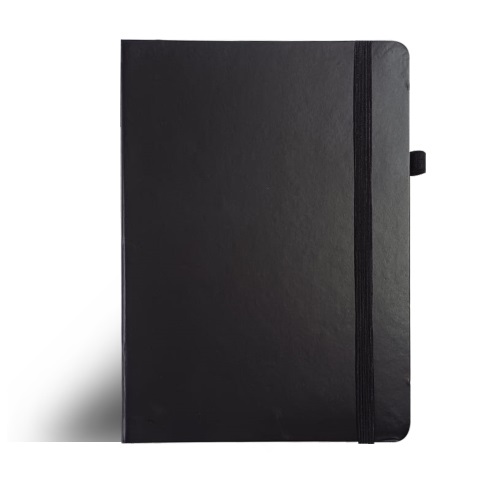
A planner can become an everyday companion when it is prepared and available from the beginning. Simple planning habits can encourage consistency while helping users approach responsibilities with a positive mindset. For additional inspiration, people may see this as an opportunity to explore practical ideas for creating more organised routines.
Simple habits can include:
- Reviewing the next day before bedtime
- Listing key priorities each morning
- Dividing larger goals into smaller actions
- Recording appointments as soon as they are confirmed
- Setting aside time for weekly planning
- Reviewing completed tasks at the end of each week
Make Future Goals Easier to Follow
Early planner preparation can also support longer-term thinking. Writing down goals before the year becomes hectic provides a useful starting point. Monthly and weekly pages can then help turn broader ambitions into achievable steps.
Planning pages can support:
- Personal milestones
- Work-related objectives
- Household responsibilities
- Creative projects
- Learning goals
- Healthy lifestyle routines
- Special occasions and important reminders
Enjoy a Smoother Planning Experience
Pre-ordering a planner early combines preparation with peace of mind. It allows users to make thoughtful choices, establish useful habits, and approach upcoming months with greater organisation. A planner that is ready when needed can encourage consistent action while leaving enough flexibility for changing priorities.
By preparing ahead, everyday planning can become a simple and rewarding habit. Early organisation creates space for clearer decisions, purposeful routines, and steady progress throughout the year.