

Plenty of watches are costly. Fewer are *good*.
A luxury watch worth owning earns its place the same way a great jacket or a well-made set of boots does: it gets better the more you live with it. The merely expensive ones? They look fantastic in a boutique, then start annoying you in the real world, hard to read, precious-feeling, awkward on the wrist, or a nightmare to service.
Here’s the thing: the “best” watch on paper can still be the wrong one on *your* wrist.
Price is loud. Quality is quiet.
When people say “you can feel it,” they’re not being mystical. They mean the tolerances are tight, the crown action is clean, the bracelet doesn’t rattle, and nothing feels like it’spretending. That same attention to detail matters just as much when selling a luxury watch in the UK, where condition, authenticity, and presentation all affect value.
One-line reality check:
You’re not buying a dial. You’re buying a machine you’ll tolerate daily.
And daily tolerance is where expensive watches get exposed.
Hot take: if the movement isn’t right, the rest is jewelry
Yes, finishing matters. Yes, brand history can be fun. But if the caliber is fragile, finicky, or over-complicated for your life, you won’t wear it, and a luxury watch you don’t wear is basically an expensive paperweight with a warranty card.
What “a good caliber” actually means (not marketing copy)
In a technical sense, you’re looking for a movement that stays stable across:
– shocks (door frames, desk edges, the occasional drop, be honest)
– magnetism (laptops, phone cases with magnets, tablet covers)
– inconsistent wear (some days it’s on-wrist 14 hours, some days it’s not)
A robust movement usually has sensible architecture, solid regulation, and parts that don’t require a priesthood to replace. In my experience, the most “worth owning” watches are the ones with movements that watchmakers *like* working on, not the ones they dread because everything is proprietary and brittle.
Now, this won’t apply to everyone, but… if you’re not a collector rotating ten pieces, longer power reserve and stable amplitude matter more than decorative finishing you’ll never see.
The stuff that actually takes a beating: case, crystal, crown, clasp
A watch can have a gorgeous dial and still be a disappointment because the build details are where brands either respect you, or don’t.
A quick “real-life” checklist (use it in a store)
– Crystal: sapphire is standard at this level; good anti-reflective coating is what makes it *usable*
– Crown: should screw down smoothly (no gritty feel, no wobble)
– Pushers (if chronograph): crisp engagement, not mushy
– Clasp: secure, easy to operate, no sharp edges that chew your wrist
– Bracelet/strap integration: should sit flat and stable, not float or pinch
Look, I’ve handled watches that cost five figures and still had a clasp that felt like it came off a midrange fashion piece. That’s the line. You can forgive a lot, but you shouldn’t have to forgive *that*.
Durability isn’t a vibe. It’s engineering.
Some brands throw exotic materials at you, ceramic, titanium, forged carbon, hardened steel, then act like that alone is “performance.” Materials help, sure. But durability is a system: case construction, gaskets, crown tube design, shock protection, and assembly precision.
If you want one concrete data point: ISO 764 defines “antimagnetic” watches as those that keep functioning after exposure to 4,800 A/m magnetic field strength (that spec comes from the ISO standard itself). Not every luxury watch meets it, and many brands won’t clearly state magnetism resistance because it’s easier to sell romance than numbers.
So ask directly: *What’s the magnetic resistance rating?* If the salesperson dodges, that tells you something.
Water resistance is similar. A “50m” rating can be fine for daily wear, but if you actually want worry-free life, travel, pools, sudden rain, wet hands, 100m with a screw-down crown is a calmer place to live.
Heritage vs. prestige (and why they’re not the same)
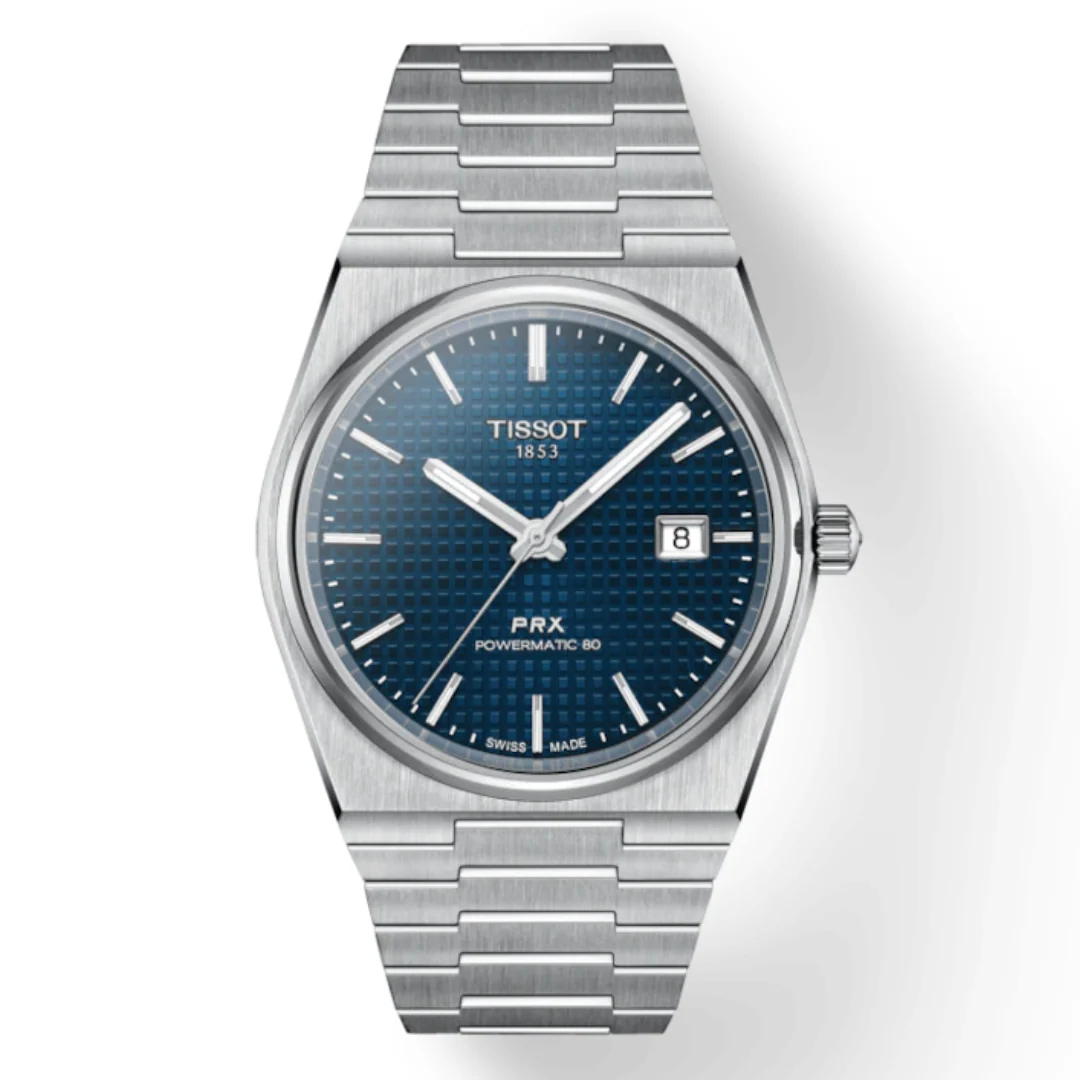
Prestige is social. Heritage is mechanical and cultural memory.
A prestigious watch can feel incredible… until you realize the brand’s service ecosystem is clogged, parts are restricted, and every visit costs you months and a small fortune. Meanwhile, a heritage-rich watch with boring, reliable support becomes the one you keep.
When heritage becomes real value
Heritage shows up in unsexy places:
– documented long-term parts availability
– stable design language (not constantly chasing trends)
– references that have continuity (not one-off gimmicks)
– a brand that has been servicing its own older watches for decades
Provenance matters more than people admit, too. Papers, service history, clear serial/reference trail, those aren’t collector nerd details; they’re your future resale liquidity and your future repair sanity.
Legibility and comfort: the “you’ll wear it or you won’t” category
This section is short because it’s brutally simple.
If you can’t read it instantly, you’ll stop wearing it.
If it sits weird, you’ll resent it.
Legibility isn’t just big numerals. It’s contrast, handset shape, lume quality, and crystal reflections. Comfort is weight distribution, lug-to-lug length, case thickness, and whether the bracelet tapers like it was designed by someone with wrists.
I’m opinionated here: a watch that “wears tall” but claims elegance is often just poorly resolved design.
The servicing question people avoid until it hurts
Servicing is where “just expensive” watches get their revenge.
A watch worth owning has a realistic path through the next 20 years: competent watchmakers can service it, parts can be sourced, and the brand doesn’t treat maintenance like a privilege.
Limited editions are the classic trap. They’re fun, they photograph well, and then five years later you’re waiting on a bespoke part that exists in a drawer somewhere in Switzerland (maybe). If you love the watch enough, fine. Just go in with open eyes.
A practical way to think about it:cost per year, not sticker price. A watch that’s cheaper to buy but painful to maintain is a bad deal in slow motion.
A slightly messy truth: “value” includes emotional friction
You can do everything right, great movement, strong build, service network, decent resale, and still not bond with the thing.
Personal resonance sounds airy until you’ve experienced it. The right watch disappears into your life. You stop thinking about it, which is the highest compliment a tool can get. The wrong one keeps asking for attention: too shiny, too delicate, too precious, too “look at me.”
Celebrity endorsements? I treat them as background noise. Wear the watch, not the campaign.
How I’d evaluate a luxury watch purchase (like a grown-up, not a hypebeast)
I don’t run through a rigid spreadsheet. I do a few hard checks, then I listen to my own annoyance level.
The pro-style test:
– Does the movement have a reputation for stability and reasonable service intervals?
– Can I read the time instantly in bad indoor lighting?
– Does the crown/clasp feel engineered or merely assembled?
– Is the case thickness compatible with my actual wardrobe?
– What happens if something breaks, who fixes it, how long, how much?
– If this model gets “uncool” in five years, will I still love wearing it?
If the answers are clean, you’re probably looking at a luxury watch worth owning.
If you’re making excuses, about comfort, legibility, service, practicality, then you already know what it is: expensive. Not valuable.